The recent executive order on psychedelic research is a milestone our community has been working toward for years. It’s worth pausing to take that in, and celebrate how far we’ve come.
And, of course, I can’t help but ask myself what comes next. What does this moment make possible, and what does it still leave unaddressed?
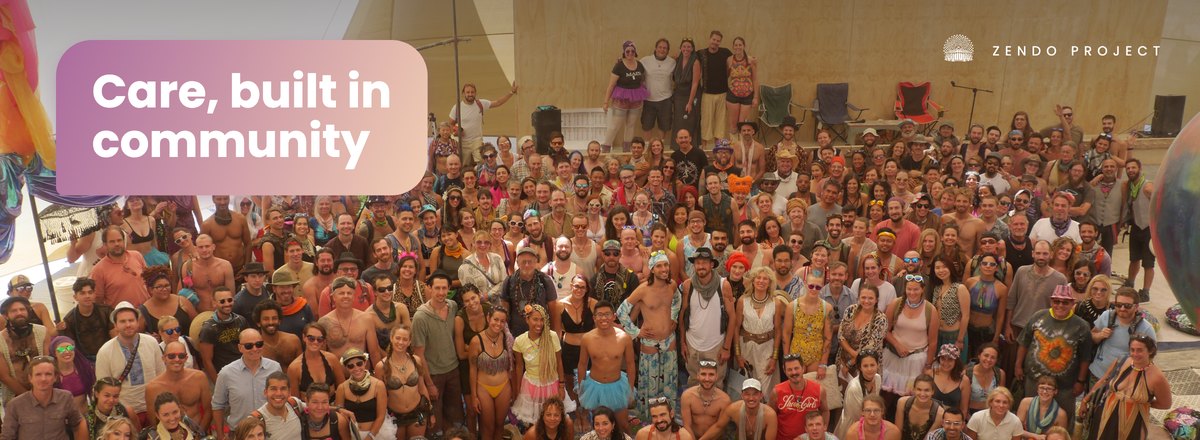
When I reflect on what makes the Zendo Project meaningful, I think about all the people who volunteer their time to support complete strangers because they understand how much it matters – and they care. We’ve all felt alone in our struggles, and that isolation only compounds the pain we feel. But the presence of another human being, simply there to be with you, can change the course of an entire experience, opening up possibilities for growth, insight, and lasting change.
The recent federal executive order to advance psychedelic research and policy is a big step in the right direction. It reflects years of work by researchers, advocates, and communities pushing for change, and it signals real recognition that these substances may have a role to play in our most pressing mental health challenges. Rigorous science, thoughtful regulation, and access to ethical psychedelic-assisted therapy matter enormously.
And they are only part of the picture.
As these substances become more accepted by the mainstream, more people will try them outside of clinical settings – and we know that nearly all psychedelic use already reflects that reality. Healing doesn’t stay confined to clinics. It happens in homes, among friends, at events, and in community and ceremonial spaces. It happens in the hours and days after an experience, when someone is still making sense of what they moved through. It happens in conversations with partners, peers, and community members who may have no clinical training — but whose presence may make all the difference.
For over a decade, Zendo has built its work around a simple idea: the way we are met in moments of intensity shapes what those experiences become. We’ve provided peer-based psychedelic care and emotional support services at dozens of events and trained thousands of people in how to support challenging psychedelic experiences and non-ordinary states.
The skills we teach are not specialized knowledge reserved for therapists. They are human skills: the capacity to sit with someone in distress without trying to control the outcome, learning how your nervous system can become an anchor for another, or how to offer grounded presence when everything feels uncertain.
If we want psychedelic healing to reach beyond clinical settings, we must build the community capacity to hold it.
Because no matter how much funding is allocated to research, no matter how many executive orders are signed, the real question remains:
Who will be there when someone is in the middle of intensity?
Who will know how to respond with care instead of fear?
Who will help carry the experience forward into meaningful integration?
These are the grassroot infrastructures that make large-scale mental health transformation possible. Because ultimately, the future of the psychedelic movement won’t be shaped by policy alone. It will be shaped by how we show up for one another.
In Psychedelic Service,
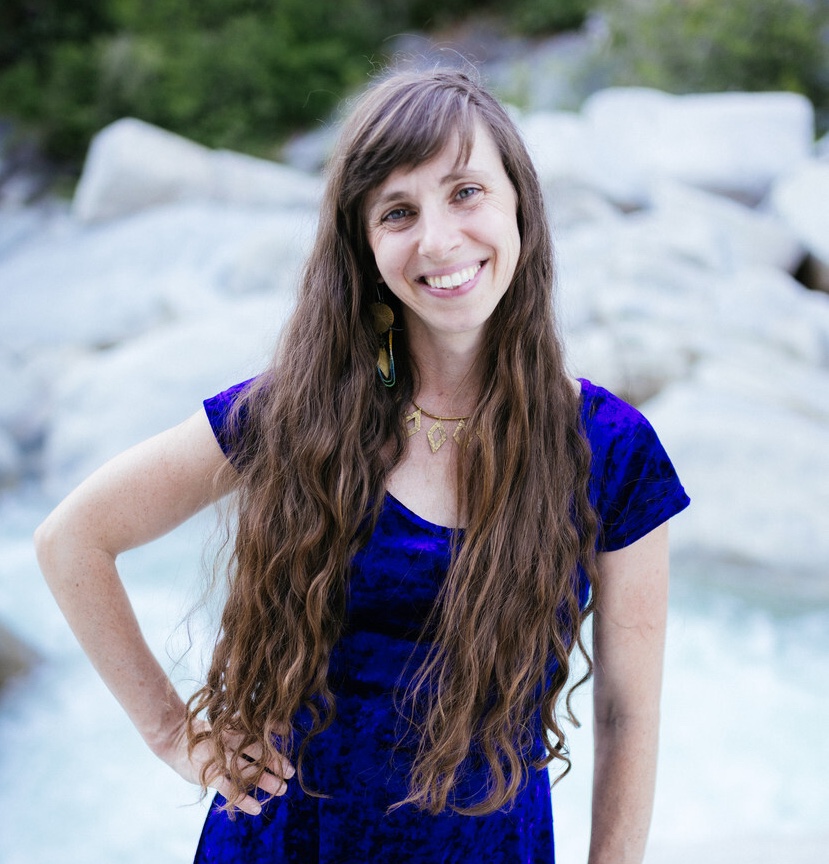

Chelsea Rose
Zendo Project
Executive Director